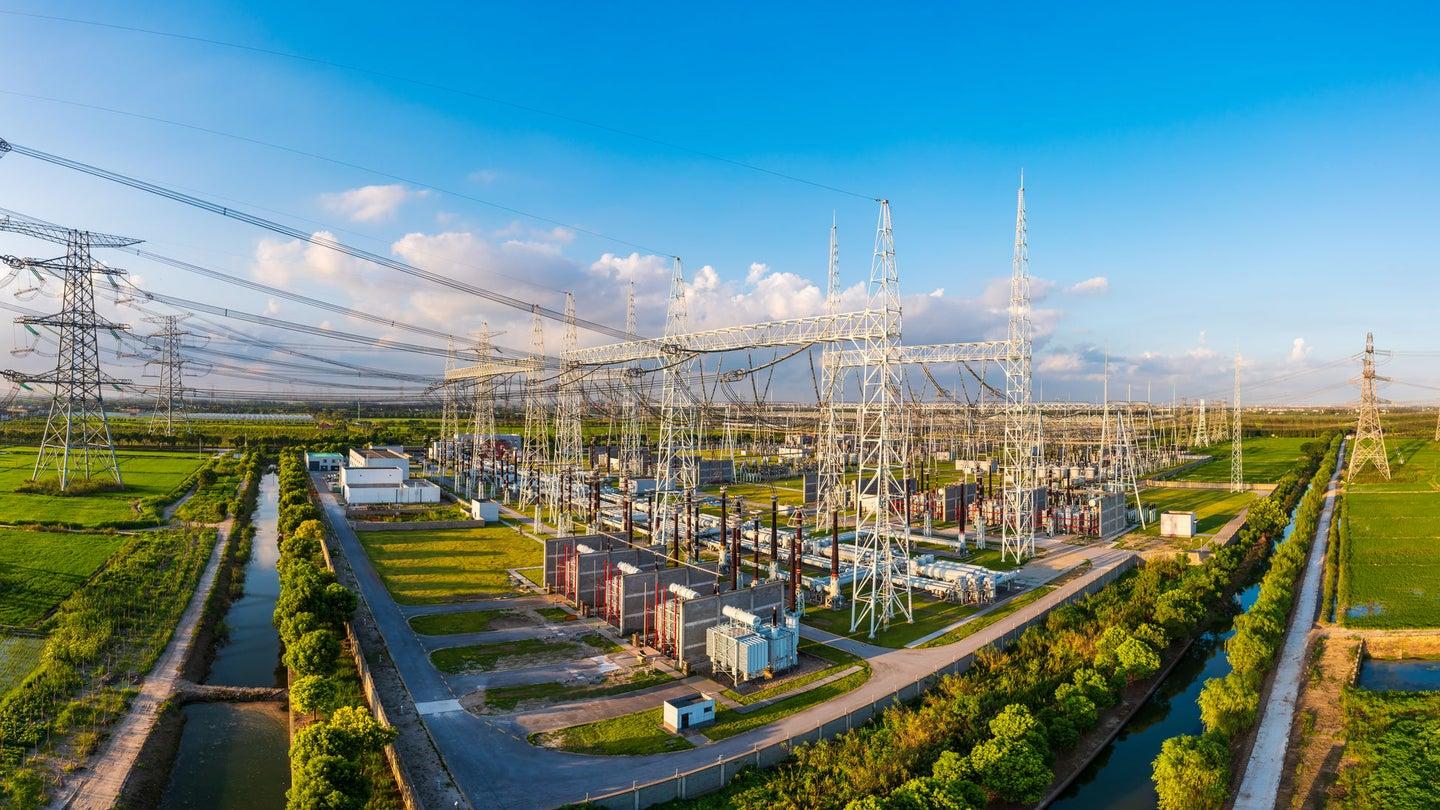
GridTech Solutions provides transmission planning and grid engineering services, including steady-state power flow, contingency analysis, short-circuit assessments, transient stability, transmission expansion, and interconnection impact studies for utilities, transmission owners, ISO/RTOs, and energy developers.
GridTech Solutions supports utilities, transmission owners, planning coordinators, ISO/RTOs, and project developers with transmission system assessments, reliability studies, grid expansion planning, and technical engineering evaluations.

Base-case power flow assessments
Thermal loading and voltage evaluations
Generation and load injection analysis
Transfer capability and congestion screening
Operating scenario and sensitivity analysis
N-1 and N-1-1 contingency analysis
Transmission reliability assessments
Thermal and voltage violation screening
Corrective Action Plan support
TPL-related planning study support
Three-phase and unbalanced fault studies
Short-circuit current calculations
Circuit breaker interrupting duty assessments
Fault contribution analysis
Network and equipment fault-level evaluations
Transient rotor-angle stability assessments
Dynamic voltage and frequency performance
Fault ride-through and post-fault recovery
Generator and inverter-based resource interactions
PSS®E, PSLF, and PSCAD simulation support
Transmission reinforcement alternatives
Network upgrade identification
Transmission capacity improvement studies
Planning-level upgrade evaluations
Comparative technical assessment of alternatives
Generation and large-load impact assessments
Point of interconnection screening
Network constraints and upgrade requirements
System impact and feasibility study support
Utility and ISO/RTO technical coordination
GridTech Solutions performs steady-state and dynamic transmission reliability assessments to identify network constraints, evaluate contingency performance, and support reliable system operation and long-term transmission planning.
Our engineering team evaluates transmission system performance across operating conditions, seasonal scenarios, and future planning cases. We identify thermal, voltage, and stability constraints and assess practical mitigation alternatives aligned with applicable utility, ISO/RTO, and NERC planning requirements.
N-0, N-1, and N-1-1 contingency assessments
Thermal loading and voltage violation screening
Seasonal and future-year planning scenario evaluations
Transmission transfer capability and sensitivity analysis
Generator and large-load impact assessments
Corrective Action Plan and mitigation support
TPL-related transmission planning assessments
Utility and ISO/RTO study methodology coordination
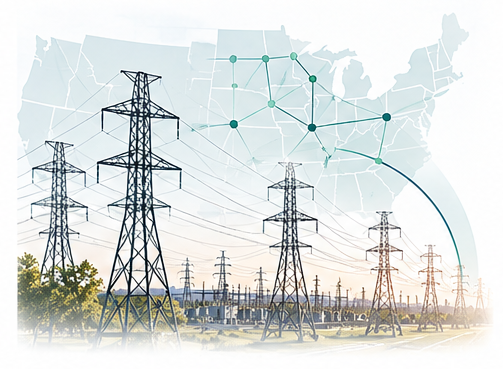
GridTech Solutions provides specialized power system engineering studies to evaluate fault levels, dynamic stability, voltage performance, and transmission network behavior under normal and disturbed operating conditions.
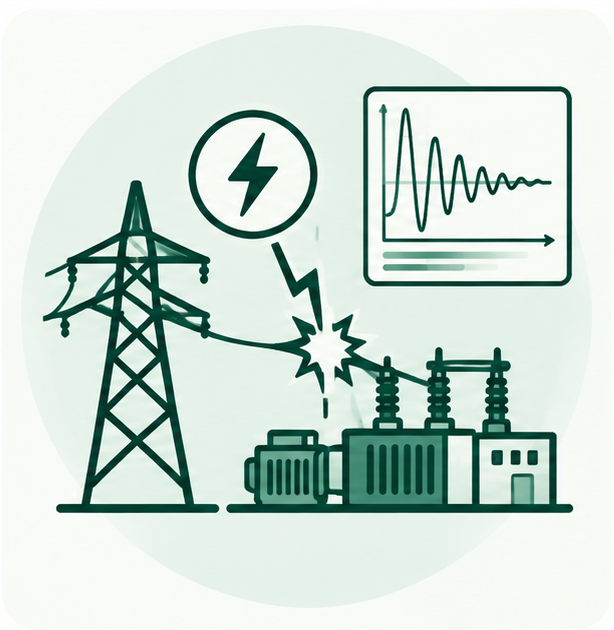
Comprehensive fault studies to evaluate short-circuit levels, equipment duties, and fault contributions across transmission and interconnected power systems.
Three-phase and unbalanced fault calculations
Maximum and minimum fault-current assessments
Circuit breaker interrupting duty evaluations
Generator and inverter-based resource fault contributions
Transmission and substation fault-level assessments
PSS®E and ASPEN OneLiner analysis, as applicable
Dynamic simulations to evaluate system stability, disturbance response, and interactions among synchronous generation, inverter-based resources, and transmission networks.
Rotor-angle and transient stability assessments
Dynamic voltage and frequency performance
Fault clearing and post-fault recovery
Generator and IBR dynamic response assessments
Critical contingency and sensitivity simulations
PSS®E, PSLF, TSAT, and PSCAD analysis, as applicable
Specialized system performance evaluations to identify operating constraints, voltage weaknesses, and opportunities to improve transmission network reliability.
Voltage stability and reactive power margin assessments
P-V and Q-V analysis
Transfer capability and sensitivity assessments
Reactive compensation evaluations
High- and low-voltage operating scenario analysis
Transmission reinforcement and mitigation alternatives
GridTech Solutions provides transmission expansion, network upgrade, and interconnection impact assessments to identify system constraints, compare reinforcement alternatives, and support reliable grid development.
Our engineering team evaluates existing and future transmission conditions to identify thermal, voltage, and stability constraints. We assess technically feasible network upgrades, alternative points of interconnection, and phased development scenarios to support utility planning and project development decisions.
Transmission capacity and network constraint screening
Thermal and voltage upgrade assessments
Generation and large-load interconnection impact studies
Alternative point of interconnection evaluations
Transmission reinforcement and expansion alternatives
Planning-level network upgrade cost estimates
Future-year and phased development scenario analysis
Utility, transmission owner, and ISO/RTO technical coordination
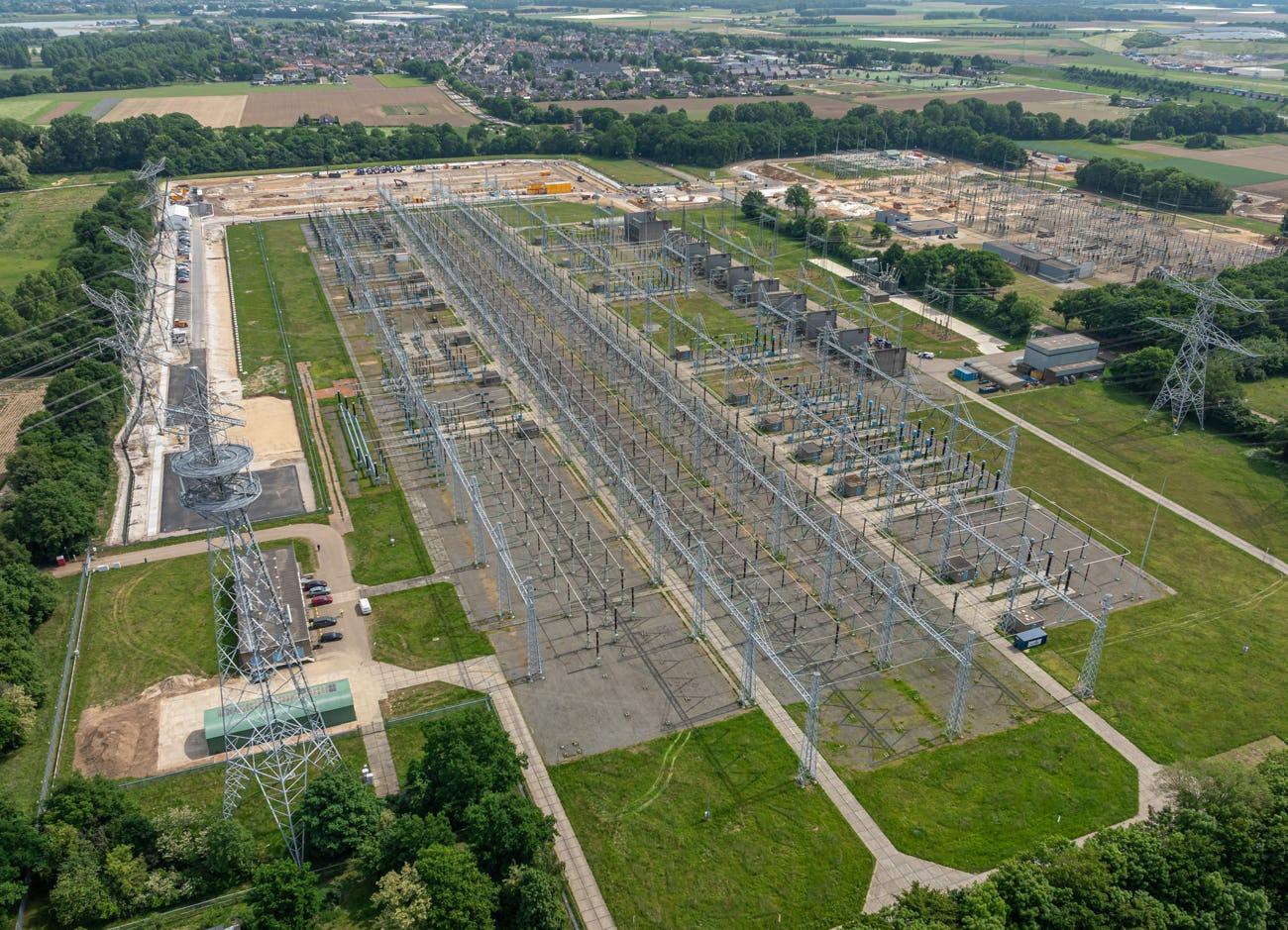
Assess transmission loading, voltage limitations, transfer capability, and network constraints across existing and future planning scenarios.
Identify and compare transmission reinforcement options, including line upgrades, transformer capacity improvements, reactive compensation, and other planning-level mitigation measures.
Evaluate proposed generation and large-load connections, compare potential POIs, identify system impacts, and support utility and ISO/RTO technical study requirements.
GridTech Solutions delivers comprehensive transmission planning assessments, simulation models, engineering reports, and technical documentation to support utility planning, system reliability, and interconnection decisions.
Steady-state power flow and contingency studies
N-1 and N-1-1 reliability assessments
Short-circuit and fault-duty evaluations
Transient and dynamic stability simulations
Voltage stability and reactive power assessments
Transmission capacity and transfer capability studies
Network upgrade and reinforcement evaluations
Generation and large-load interconnection impact studies
Transmission planning and engineering study reports
PSS®E, PSLF, and applicable simulation model files
Contingency analysis and violation summary tables
Short-circuit calculations and fault analysis reports
Dynamic simulation plots and stability assessments
Network constraint and upgrade recommendation reports
Planning-level network upgrade cost estimates
Technical documentation and utility/ISO/RTO coordination support
GridTech Solutions follows a structured transmission planning workflow, combining utility and ISO/RTO study criteria, validated network models, engineering simulations, and technical quality reviews to deliver actionable planning insights.
Define study objectives, applicable reliability criteria, contingency categories, operating scenarios, planning horizons, and utility or ISO/RTO requirements.
Review transmission network models, verify study assumptions, incorporate proposed generation or load changes, and prepare seasonal and future-year planning cases.
Perform applicable power flow, contingency, short-circuit, transient stability, voltage stability, and sensitivity assessments to identify system performance limitations.
Evaluate potential operating adjustments, network reinforcements, and upgrade alternatives. Perform engineering quality checks and review key study findings.
Deliver technical reports, simulation results, model files, and planning recommendations. Support client discussions and technical coordination with utilities and ISO/RTOs.
TECHNICAL INTELLIGENCE
Explore technical insights on transmission planning, grid reliability, power system studies, and evolving interconnection requirements.

Partner with GridTech Solutions for transmission planning, reliability assessments, network upgrade evaluations, and interconnection impact studies. Our engineering team provides technical insights to support confident grid development decisions.
Discuss Your Project